
Blog

When Mormon Apologetics Masquerades as Mental Health Advice: Mormon Discussions Podcast
Dr. Julie de Azevedo joins Mormon Discussions to respond to seven supposed warning signs of faith-undermining therapy and explore the line between respecting a client’s religious beliefs and protecting religion from scrutiny.
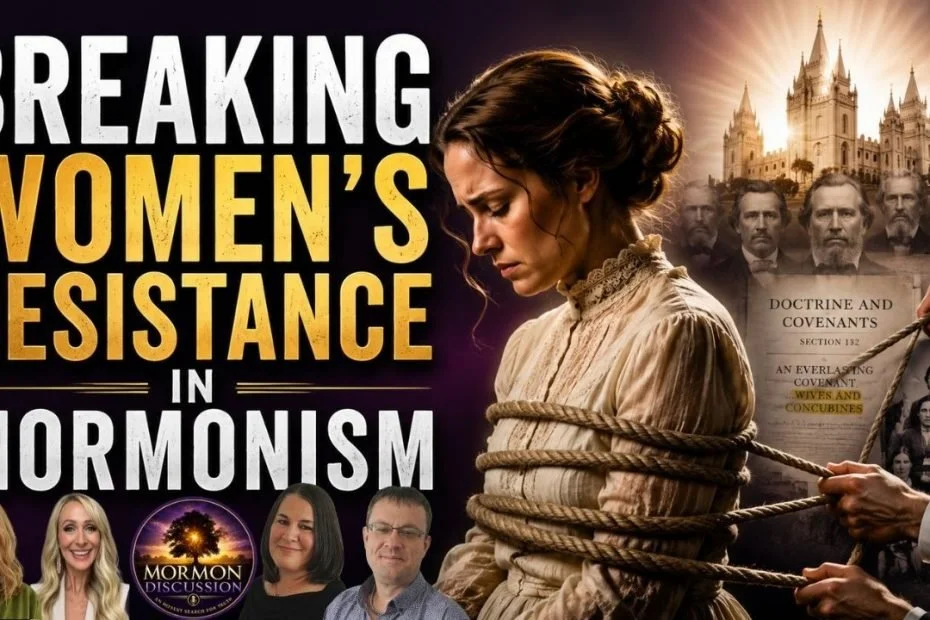
How Mormonism Breaks Down Women’s Resistance: Mormon Discussions Podcast
Why do women sometimes stay silent, defend beliefs they privately question, or struggle to trust their own intuition? Dr. Julie de Azevedo joins Mormon Discussions to explore the psychology behind belief, obedience, and belonging.
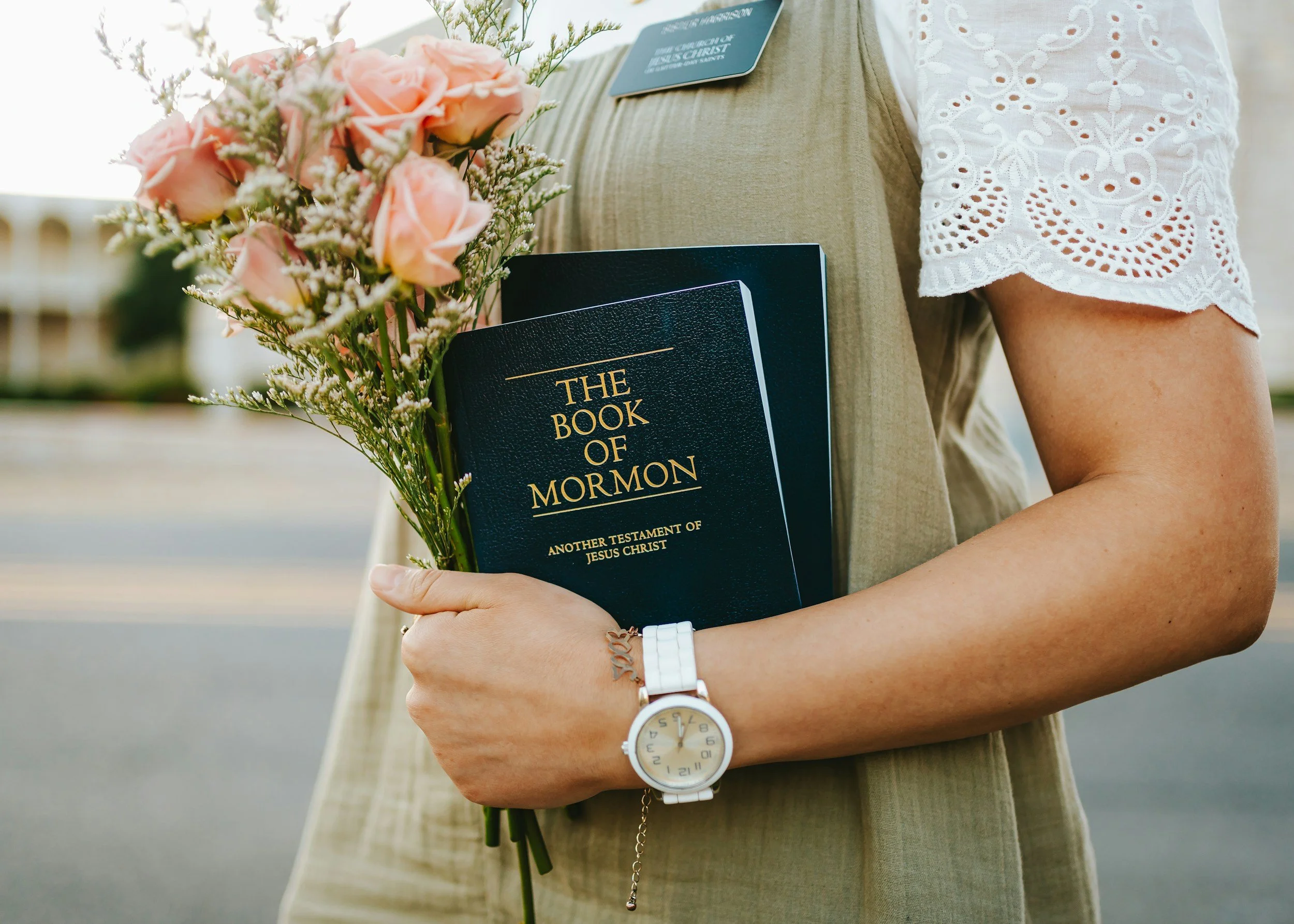
Dr. Julie de Azevedo Talks Mormon Beauty Culture in Allure Magazine
Dr. Julie de Azevedo was recently featured in Allure discussing Mormon beauty culture, perfectionism, and the emotional impact appearance-related pressure can have on women. In the article, Dr. de Azevedo explores how cultural expectations around beauty, femininity, and perfection can shape identity, self-worth, and emotional health—both within Mormon culture and beyond. Read highlights from the interview and the full Allure feature.

How Idealizing Motherhood Hurts Mormon Women
We often talk about motherhood as if it is women’s only valuable source of identity and meaning for a woman. Being a mother is an important aspect of my identity as an LDS woman, but it is not the entirety of my identity. While mothering my children is an important contribution, it is not the source of my worth. Keep reading to learn how idealizing motherhood hurts women.

Why Mormon Women (and Men!) Love Plastic Surgery: Mormon Stories Podcast Guest Appearance
On my guest appearance on a recent Mormon Stories Podcast Live, we discussed what is driving the trend causing mormon women (and men) to love plastic surgery.

Invisible Labor: Valuing the Unseen Contributions of Women
Several months ago, a family member recounted a small but powerful scenario that happened in her Sacrament Meeting. While conducting the meeting, the bishop acknowledged that one of his counselors was not present on the stand; his counselor’s wife was ill and he was sitting in the pews with his children. Interestingly, not once was the man’s spouse acknowledged for sitting alone with her children week after week while her husband sat on the stand. Why? Because women are expected to perform the bulk of the invisible labor required for maintaining relationships.

Healing Aspirational Shame: One Mormon Woman's Journey
It wasn’t until my early teens that I recognized the dilemma that I was facing. I wanted a lot for my life, for my career, for my creative expression. I knew that I wanted to pursue a helping profession and that I wanted to express myself through songwriting and singing. But because I had internalized the message that a woman’s role was to sacrifice for her family, I started believing that my aspirations were not good, and not of God. I was hearing that God wanted me to be a wife and a mother, and I knew that that was true, but I wanted other things for my life, too. I began to wonder and eventually believe that something was wrong with me for having such strong creative desires and educational and professional aspirations. Did I have to choose between having a family and having a career?

Has my Latter-day Saint upbringing impacted my sexuality?
In this podcast episode I talk with Mary and answer the question “Has my Latter-day Saint (LDS) upbringing impacted my sexuality?”