Dr. Julie de Azevedo Talks Mormon Beauty Culture in Allure Magazine
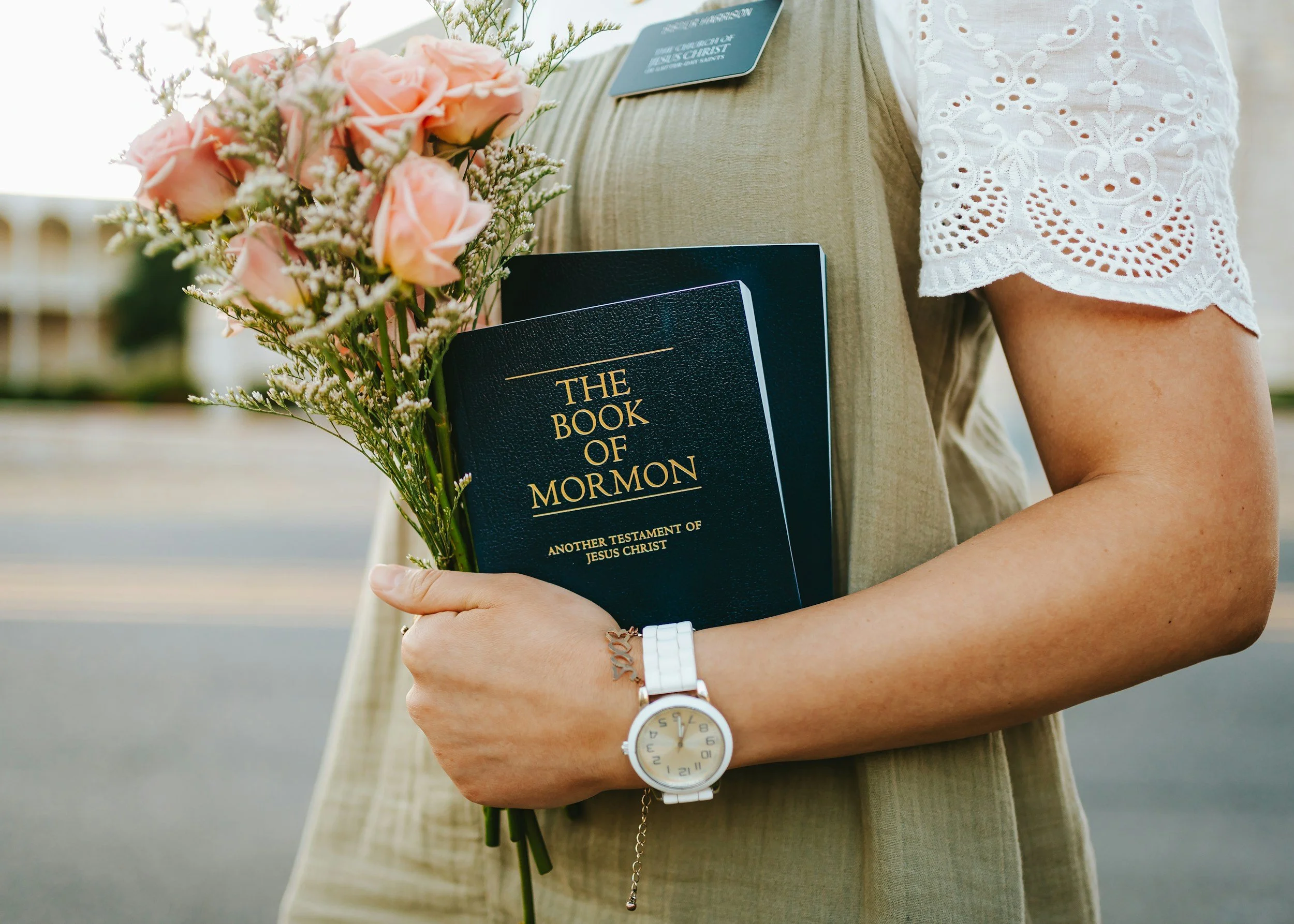
Dr. Julie de Azevedo was featured in an Allure article discussing Mormon beauty culture, beauty standards, perfectionism, and the pressure many women feel to appear polished, put together, and “perfect.” Throughout the piece, Dr. de Azevedo shares insight into how appearance and identity can become deeply intertwined within Mormon culture—and how those expectations can quietly shape women’s emotional lives.
One of the ideas she discusses is how cultural values are often communicated indirectly, even through humor. As Dr. de Azevedo explained in the interview:
“It’s said that the harder you work as a missionary, the hotter your wife… They joke about it, but I think there’s truth in jest.”
Humor often reveals what a culture quietly rewards.
The article also explores how religious ideas around perfection can sometimes become internalized as pressure to look externally flawless. Dr. de Azevedo shared:
“There’s a scripture that says, ‘Be therefore perfect,’ and I think that’s misinterpreted as, ‘be externally flawless.’”
For many women, perfectionism doesn’t stop at appearance. It can extend to parenting, marriage, homemaking, relationships, and the pressure to make life look effortless from the outside. And while these dynamics are especially visible within Mormon culture, they’re not unique to it. Many women grow up absorbing the message that their worth is connected to how they look, how well they perform, or how successfully they maintain an ideal image.
The article also touches on why appearance can become such an important focus culturally. As Dr. de Azevedo explained:
“Women are encouraged to be stay-at-home moms, so if you don't have other ways to find satisfaction and value, you might focus more on appearance as something you can control or something that you can make you feel good about yourself, because you're not achieving outside of the home as much.”
These conversations matter because appearance-related pressure is rarely just about appearance. It affects self-worth, identity, belonging, relationships, and emotional health.